.svg)

.jpg)
Captain+ is created with a simple but powerful idea. What if the people already moving across cities every day could also help save lives?
By training couriers in first aid and emergency response, HAAT is building a distributed network of first responders embedded within daily city life. These are individuals who are already nearby, already active, and now equipped to act when time matters most.
The first group of Captain+ couriers has officially completed their training. Nine captains took part in an intensive program led by Hayan Medical Center, gaining practical skills that prepare them to respond in real situations.
Each graduate stepped into the field with the tools they need. A certified first responder ID, a dedicated Captain+ delivery box, a fully equipped first aid kit, and a vest that reflects both their role and their responsibility.
Right after completing their training, the captains returned to the streets. They are now active across 7 cities, continuing their daily work while also standing ready to respond to emergencies around them. In many cases, they are already closer to an incident than traditional emergency services. This proximity can make all the difference.
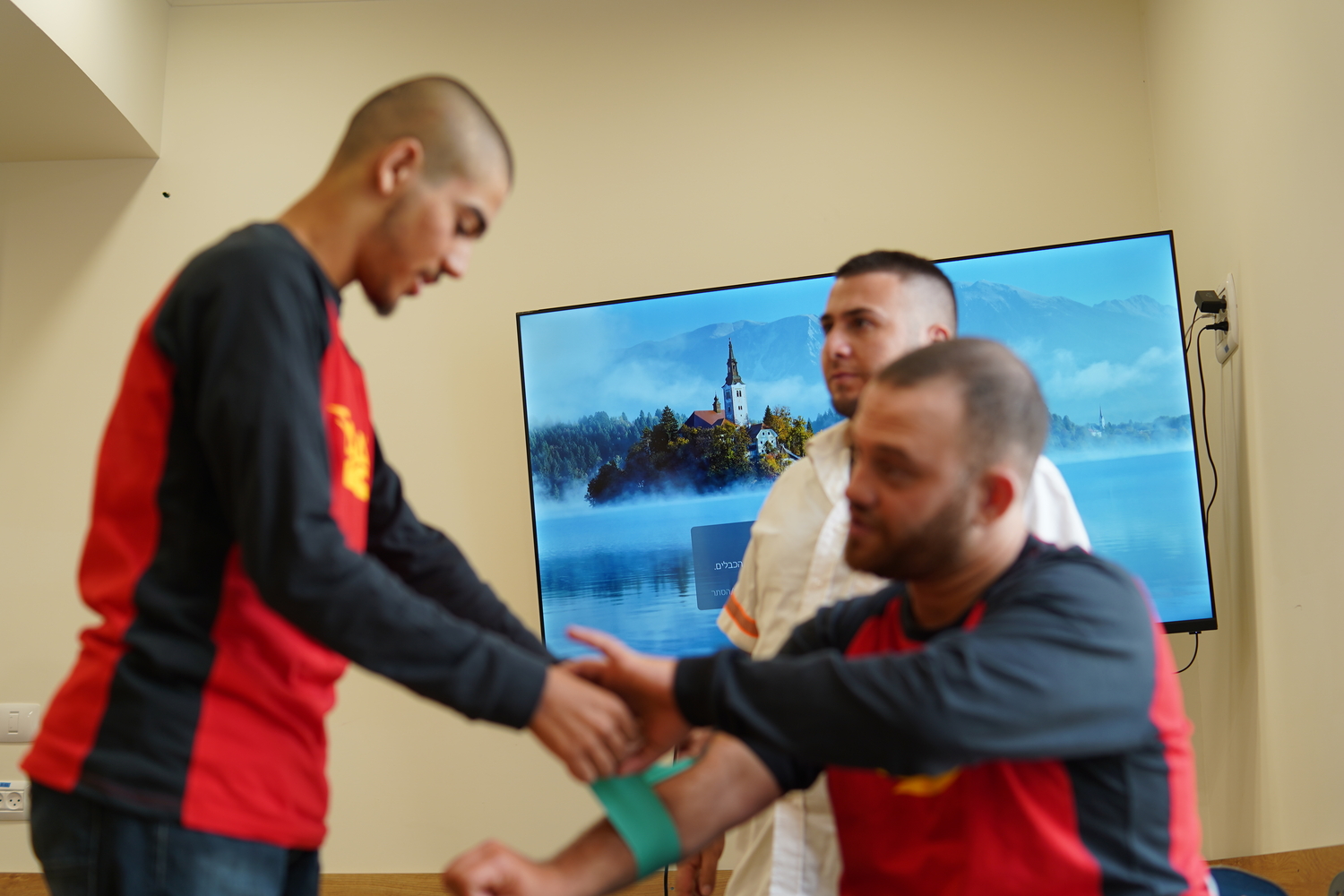
This initiative is built on collaboration. HAAT brings reach, mobility, and a strong operational network. Hayan Medical Center brings medical expertise, training, and professional guidance. Together, they have created a model that is both practical and scalable.
Dr. Tamer Na’ama, Director of Hayan Medical Center, sees this as “part of a larger shift. A way to bring healthcare closer to the community and to expand who can play a role in emergency response.”
Whereas for HAAT, Captain+ is not a one time initiative. It reflects a broader belief in what a delivery platform can be. As CEO Hasan Abbasi puts it: “the goal is not only to deliver orders, but to create real impact within the communities the company serves.”
The next step is already underway. Expanding the program, training more captains, and reaching more cities.
.jpg)
Captain+ challenges a familiar idea. It asks us to see couriers differently.
Not just as part of a service, but as part of a living network within the city. People who are present, trusted, and now trained to help in moments of urgency. It is a shift that feels both natural and necessary.
And it may well set a new standard for what delivery platforms can do when they look beyond logistics and toward community.
ENDS


Whether you're here to order, partner, or deliver, find your path below.
