.svg)

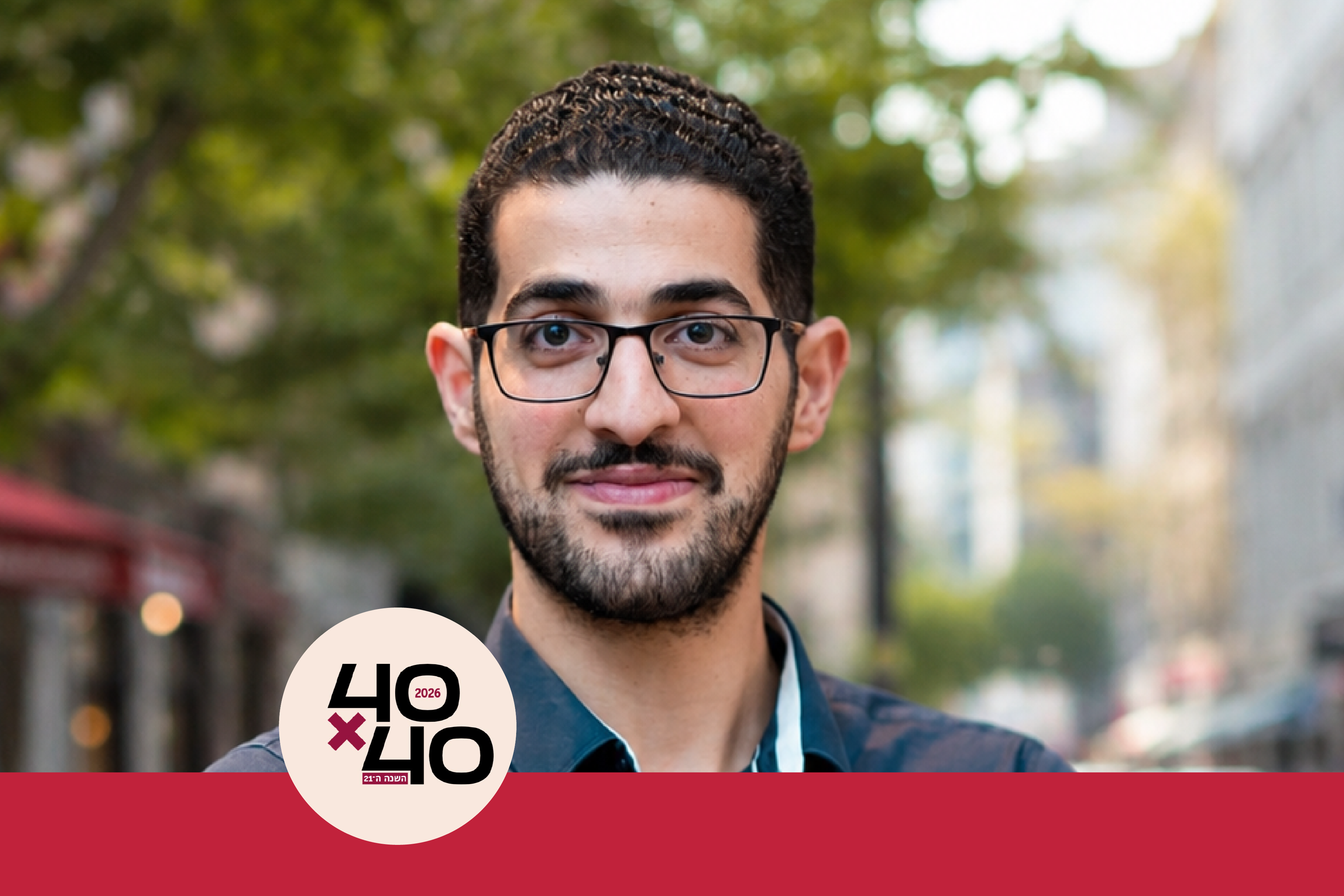
Dr. Hasan Abasi, founder and CEO of HAAT, has been selected for the Globes 40 Under 40 list, recognizing leading young figures shaping business and technology.
The feature traces Abasi’s path from Umm al-Fahm to earning a PhD in computer science from the Technion – Israel Institute of Technology, followed by roles at global companies including Google and Intel.
It also reflects on the decision to return home and build HAAT, at a time when delivery infrastructure in many Arab communities was limited or non-existent.
The idea for HAAT began with a practical gap.
Ordering food in cities like Umm al-Fahm was often unreliable due to a combination of factors: missing addresses, cash-based transactions, and limited digital infrastructure among local businesses.
HAAT was built to operate within these conditions from the start, connecting restaurants, couriers, and users through systems adapted to how these communities function in reality.
Today, HAAT works with thousands of restaurants across 50 cities and operates a large-scale courier network.
The model includes:
The 40 Under 40 recognition focuses on individual leadership, but it also reflects the growth of a broader ecosystem.
HAAT’s development has taken place within a segment that has historically been underserved by mainstream tech and logistics platforms.
The company’s scale today, across cities, partners, and couriers, signals how much demand existed, even before formal systems were in place.
Alongside building HAAT, Dr. Abasi has also spoken about the importance of expanding access to entrepreneurship within the Arab community, including supporting the next generation of founders.
As the company continues to grow into new markets, the same principles remain consistent: building systems that reflect local realities, and scaling them where those conditions exist.


Whether you're here to order, partner, or deliver, find your path below.
